
What is the Enneagram? The 9 personality types explained
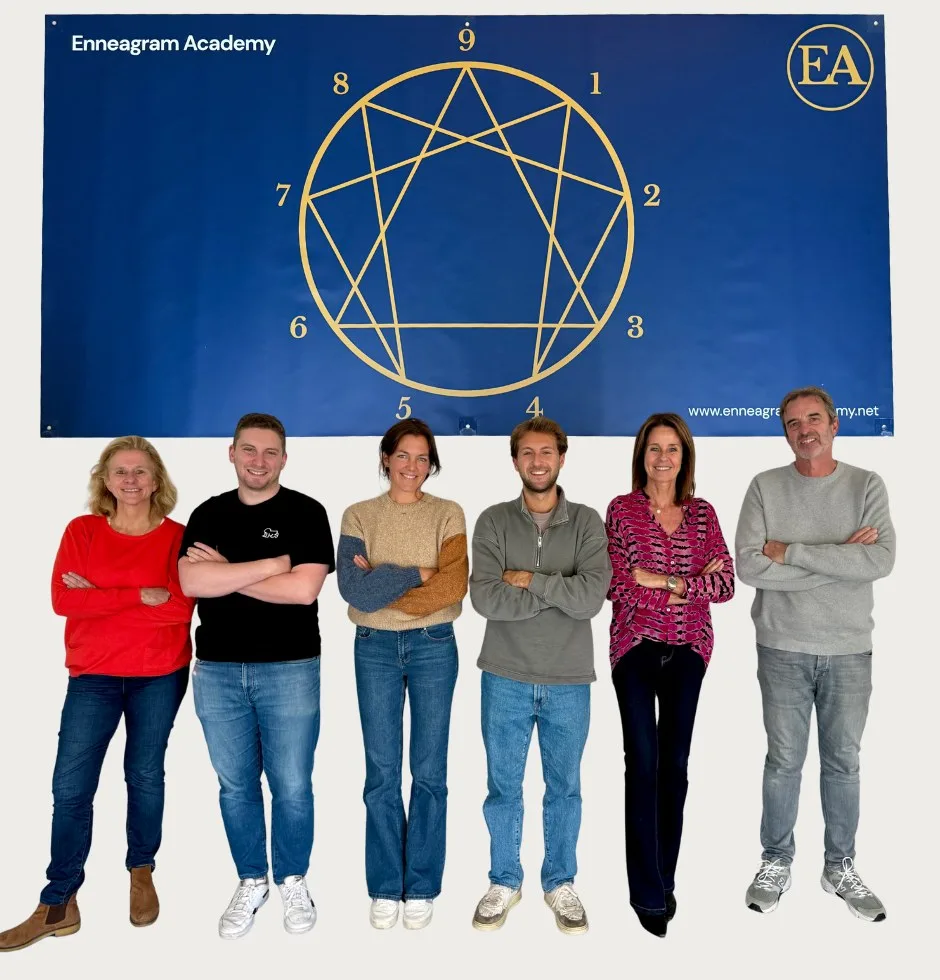
Picture the scene. At a family dinner, someone arrives late. One person gets irritated: “That's so disrespectful.” Another worries: “I hope nothing has happened.” A third just smiles: “No problem, we'll eat a bit later.”
Faced with the same situation, everyone reacts completely differently. It's the same at work: faced with change, some people need clear rules, others get excited, and others feel anxious. These reactions are not random. They are linked to what matters most to us. That is exactly what the Enneagram describes.
The Enneagram: a model of 9 personality types
The Enneagram is a personality model that describes 9 types, or 9 ways of seeing the world and responding to it. It is used in psychology, coaching and management.
Each type is defined by:
- a core fear, often unconscious;
- a fundamental need it seeks to protect;
- an automatic way of protecting itself when that need feels threatened;
- natural strengths, its spontaneous talents;
- growth potential, the directions in which it can develop.
The 9 types at a glance
- Type 1: a drive to do things right, high standards and a search for perfection.
- Type 2: a need to be loved by being helpful and available to others.
- Type 3: a drive for success and recognition for what they achieve.
- Type 4: a need for authenticity, deep sensitivity and a dislike of the ordinary.
- Type 5: a need to understand, to be independent and to protect personal space.
- Type 6: a need for security, loyalty and vigilance towards risk.
- Type 7: a search for freedom, enjoyment and new possibilities.
- Type 8: strength, a need for control and protecting those who matter.
- Type 9: a search for peace and harmony, and a tendency to avoid conflict.
No type is better than another. Each has its strengths and its blind spots.
Why the Enneagram is so useful today
We live in a fast, complex and often high-pressure world. Under stress, we fall back on our automatic reactions. These reflexes built up as we grew and have become partly unconscious. But we can learn to notice them, understand them and stop them when they hold us back.
Working with the Enneagram means bringing awareness where there were only reactions, understanding your blind spots and recognising the patterns you repeat.
In your personal life
- Better understand your emotions and what they say about your needs.
- Acknowledge your real needs instead of ignoring them.
- Stop self-sabotaging by spotting the patterns that keep repeating.
- Build on your strengths instead of fighting who you are.
In relationships and at work
The Enneagram helps you understand why other people don't react the way you do, make sense of conflict without taking it personally, adapt the way you communicate and strengthen cooperation. It takes the personal edge off tension: the other person isn't against me, they're different from me.
In organisations, it is especially valuable for leadership, management, team cohesion and preventing conflict and burnout. It helps everyone find their place, recognise what motivates them and work with a greater sense of purpose.
How do you find your type?
Online tests can give you a first idea, but they are approximate: we often describe ourselves as we would like to be. At Enneagram Academy, your type is identified through an oral questionnaire led by a certified practitioner, who looks at your deeper motivations rather than just your behaviour.
Frequently asked questions
- Can your type change? No, your type stays the same throughout your life. But you can grow a great deal within it, thanks to its growth potential.
- Does the Enneagram put people in boxes? Quite the opposite: it describes motivations, not fixed behaviours, and helps you move beyond your automatic reactions.
- Is it used in companies? Yes, for management, team cohesion, communication and burnout prevention.